How Colorado Springs Altitude Affects HVAC System Performance
Published: 2026-06-21 · By ThunderPro Heating and Cooling
In Colorado Springs, where the altitude reaches over 6,000 feet, homeowners face unique challenges when it comes to maintaining efficient HVAC systems. Picture this: rapid temperature swings from blistering heat during the day to freezing nights, particularly in the spring when heavy snowmelt contributes to humidity levels. These conditions not only affect how your HVAC system operates but also play a significant role in your comfort and energy bills. Understanding how altitude influences the performance of your heating and cooling systems can help you make informed decisions and optimize your home climate.
Why This Matters for Colorado Springs Homeowners
The high altitude of Colorado Springs means that air pressure is lower, which can reduce the efficiency of heating and cooling systems. This can lead to increased energy consumption because your HVAC must work harder to achieve the desired temperature. Furthermore, the rapid freeze-thaw cycles in spring can cause structural stress that may require additional HVAC considerations, such as proper insulation to retain heat during colder months.
Moreover, with many homes sitting on expansive clay soils, proper drainage is crucial to prevent water from damaging HVAC components. Neglecting this aspect can lead to costly repairs and inefficient heating and cooling. Understanding these local factors will help homeowners take the necessary steps to ensure their HVAC systems perform optimally amid these environmental challenges.
Consider scheduling annual HVAC inspections during spring and fall to preempt potential issues caused by Colorado Springs' unique weather patterns.
Expert Solutions & Actionable Tips
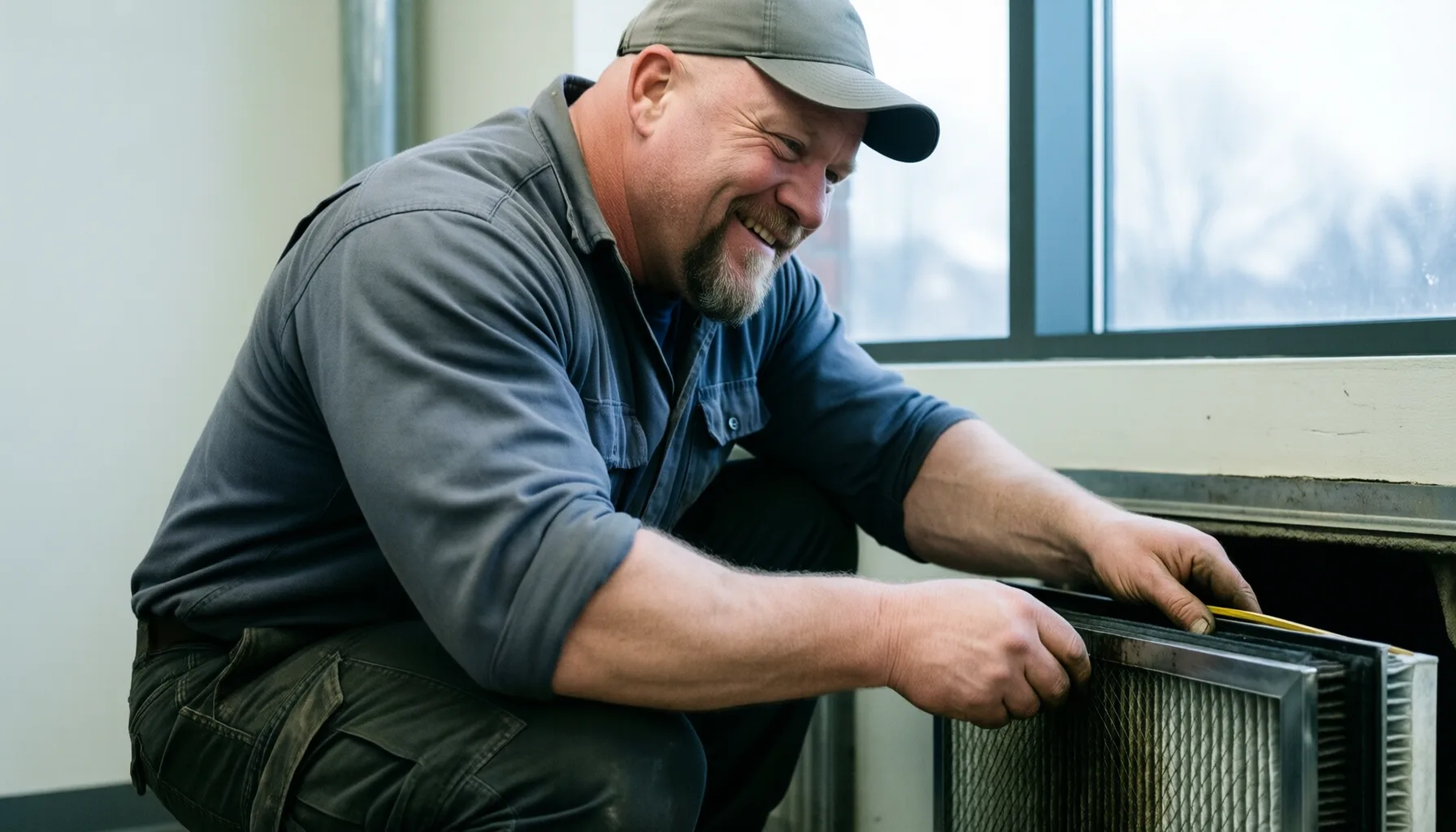
1. Monitor Your System's Filters
Due to the higher altitude in Colorado Springs, dust and debris can accumulate in your HVAC filters more quickly than in lower elevations. Check and replace your air filters every 1-2 months to maintain ideal airflow and efficiency, especially during peak usage months. This will keep your system functioning smoothly, potentially saving you $20-$50 a month in energy costs.
Neglecting your filters could lead to your system working overtime, increasing wear and tear. Set reminders on your phone or calendar to ensure this important maintenance isn't overlooked.
2. Insulate Your Home
Especially for homes in Colorado Springs that are older or built with inadequate insulation, adding insulation can significantly enhance HVAC efficiency. Fiber insulation in the attic or walls can reduce heat loss in winter and keep your home cooler in summer. Costs for insulation can range from $1,500 to $3,000, but it often pays for itself in energy savings.
Evaluate your current insulation levels, and if needed, look into state incentives that support energy efficiency renovations.
3. Invest in a Programmable Thermostat
A programmable thermostat is essential for managing energy efficiency due to rapid temperature fluctuations in Colorado Springs. By setting your thermostat to adjust automatically based on your routine, you can reduce energy usage when you're not home. You might spend between $100 and $300 for a quality model, but the savings on energy bills can be substantial—up to 10-15% annually on heating costs.
Consider models that provide remote access via smartphone apps for added convenience.
4. Schedule Regular Inspections
Annual HVAC inspections in Colorado Springs are crucial for catching potential issues before they escalate. Most HVAC companies recommend servicing your system in the spring and fall. A typical inspection costs around $100 to $200 and can extend the lifespan of your unit significantly, potentially saving you thousands in premature replacements.
Make sure to select a reputable service provider familiar with local weather conditions and common HVAC concerns in high-altitude areas.
5. Use Ceiling Fans Wisely
Ceiling fans can help circulate air, making your heating and cooling systems more efficient. In the summer, run your fans counter-clockwise to create a wind-chill effect, and in winter, switch them to clockwise to circulate warm air trapped near the ceiling. This strategy can help you feel cooler or warmer without adjusting your thermostat, saving about 10% on your energy bill.
Be sure to ensure that your fans are the correct size for each room to maximize airflow.
6. Consider Energy-Efficient Upgrades
Older HVAC systems often struggle to perform efficiently and might need replacement. Energy-efficient models, such as those with Energy Star ratings, are designed to handle Colorado's climate effectively. Initial costs for such systems may range from $4,000 to $8,000, but the energy savings could average $200 to $400 a year.
When exploring upgrades, check for available rebates or tax incentives that can reduce the financial burden of a new, efficient system.
Colorado Springs Climate & Local Context
Colorado Springs experiences a unique climate due to its high altitude, characterized by rapid temperature changes and specific seasonal challenges that affect homeowners. Not only can homeowners expect chilly winters and hot summers, but the freeze-thaw cycles of spring can impose additional risks, such as structural stress on building foundations. Homes built on expansive clay soils require diligent drainage planning to avoid costly water damage.
Local building codes often mandate specific insulation thickness and HVAC efficiency ratings to combat these issues. Familiarizing yourself with these regulations can help ensure your home remains compliant and energy-efficient while maintaining comfort year-round.
When to Call a Professional
Deciding between a DIY approach or hiring a professional often depends on the complexity of the HVAC issue. While basic tasks like changing filters or programming thermostats can be handled independently, other situations call for expert intervention for safety and efficiency.
- Unusual noises from the unit
- Inconsistent heating or cooling throughout the house
- Higher-than-normal energy bills
- Water leaks around the HVAC unit
- Frequent system cycling
- Signs of electrical issues, like burnt smells
- Age of the system exceeding industry standards for replacement
In these cases, it is best to get in touch with a local professional, such as ThunderPro Heating and Cooling, to assess and resolve issues effectively.
Frequently Asked Questions
How can I tell if my HVAC system is struggling due to altitude?
Signs can include inconsistent temperatures, unusual noises, or increased energy bills. If you are noticing any of these symptoms, it may be time for an inspection.
What specific downtimes should I expect for HVAC repairs in Colorado Springs?
Typical repairs may take several hours or a day, depending on the severity of the issue, while new installations may take up to two days. Weather conditions can occasionally affect these timelines.
Do HVAC systems in Colorado Springs require special filters?
Standard filters are often fine, but high-efficiency particulate air (HEPA) filters may be advisable for locations with higher dust levels, ensuring better air quality.
How often should I clean my air ducts?
In Colorado Springs, it's recommended to have your air duct system cleaned every 3-5 years, especially if you have frequent construction or renovations that stir up dust.
Are there any local utility rebates for HVAC upgrades?
Yes, several local utility companies offer rebates for energy-efficient HVAC upgrades. It's best to check with the specific utility provider for the most accurate details and available programs.
Get Expert HVAC Service in Colorado Springs
Understanding how altitude affects your HVAC system is crucial for home maintenance in Colorado Springs. If you need assistance ensuring your heating and cooling are efficient all year round, don't hesitate to reach out to ThunderPro Heating and Cooling. Our team is ready to help you navigate the unique challenges of our amazing city!
Call us today at (719) 497-7726 to schedule a consultation or service appointment!