How to Troubleshoot Basic HVAC Problems in Your Colorado Springs Home
Published: 2026-06-21 · By ThunderPro Heating and Cooling
Picture this: it's a brisk morning in Colorado Springs, and frost blankets the ground. You walk inside, adjusting the thermostat to warm up your living space, only to find that your HVAC system is unresponsive. Such scenarios can leave homeowners feeling helpless, especially with the region's unpredictable weather patterns. Rapid temperature swings can strain HVAC systems, making it crucial for residents to understand how to troubleshoot common issues. Having a solid grasp of basic HVAC troubleshooting not only saves time and money but also ensures you maintain a comfortable home environment amidst Colorado's climatic challenges.
Why This Matters for Colorado Springs Homeowners
Understanding your HVAC system is essential, particularly in Colorado Springs, where the weather can swing dramatically within a single day. Homeowners often experience heating or cooling systems that appear to malfunction just when they’re needed most. The local climate also brings severe weather conditions, such as hail storms and heavy snowmelt during spring, which can affect your home’s heating and cooling efficiency. Special drainage considerations for homes built on expansive clay soils add another layer of complexity, as improper drainage can lead to HVAC system inefficiencies or even damage.
Moreover, the freeze-thaw cycles during spring can exacerbate underlying problems, creating significant stress on HVAC systems. Regular maintenance is paramount to ensure that systems can withstand these stresses. By staying on top of basic troubleshooting, homeowners can identify minor issues before they escalate and require costly repairs.
Expert Solutions & Actionable Tips
1. Check Your Thermostat Settings
One of the most common issues arises from incorrect thermostat settings. It may seem simple, but ensure your thermostat is set to the desired temperature and the correct mode, whether heating or cooling. For Colorado Springs homeowners, consider upgrading to a smart thermostat, which can be programmed to automatically adjust for local weather patterns. Expect to spend around $150 to $300 for a professionally installed smart thermostat, but the savings on energy bills could be significant over time.
2. Inspect Air Filters Regularly
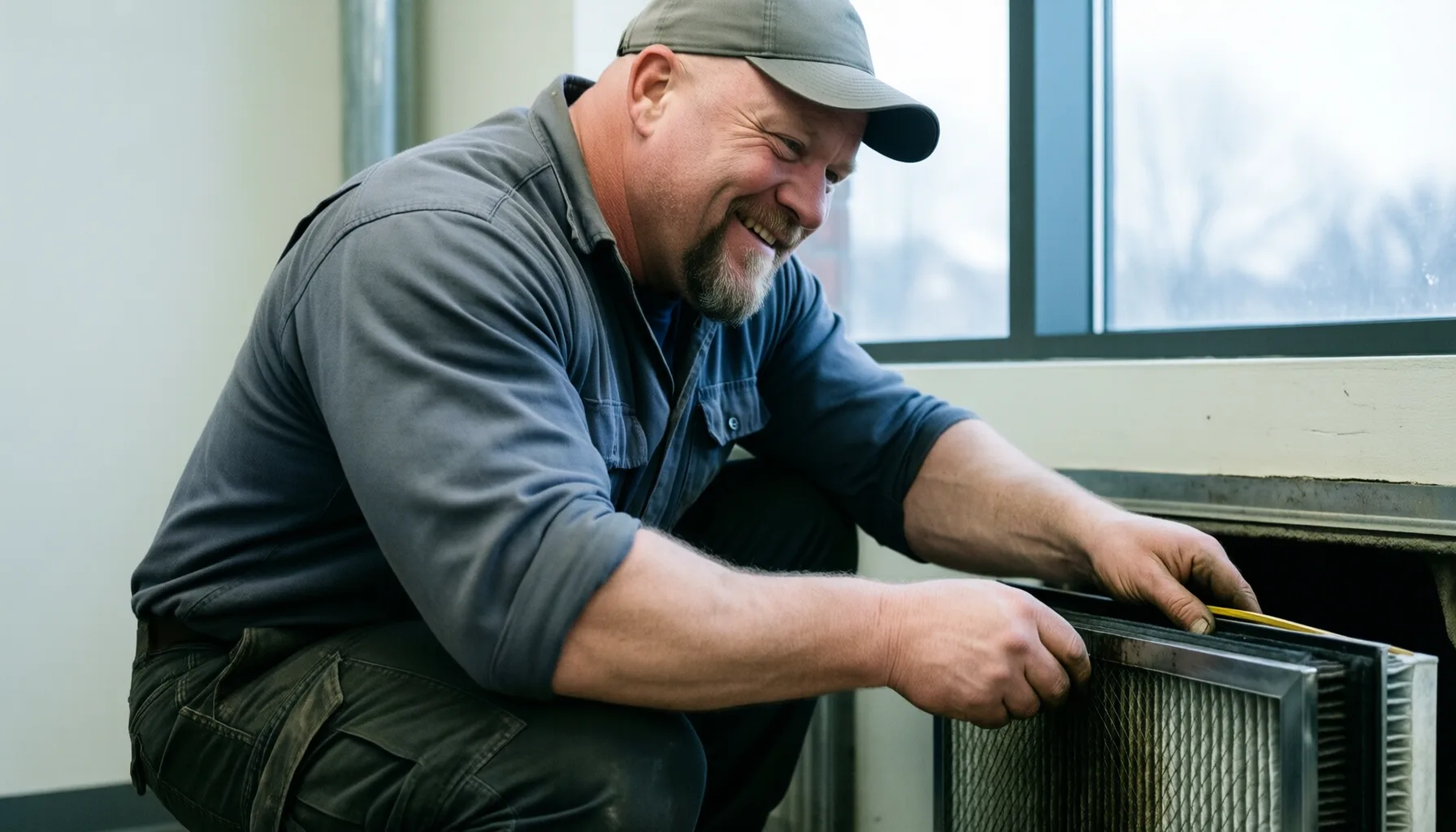
Clogged air filters can lead to reduced air quality and system efficiency. In Colorado Springs, where allergens may spike in warmer months, replacing air filters every 1 to 3 months is recommended. Depending on your HVAC system, filters can cost between $10 and $50 each. A clean filter ensures optimal airflow and can prevent unnecessary strain on your system, helping prolong its lifespan.
3. Examine Ductwork for Leaks
Leaky ductwork is a common issue that homeowners often overlook. Inadequate sealing can cause your HVAC system to work harder, leading to increased energy costs. Perform a visual inspection for any noticeable gaps or tears in the ducts, and consider hiring a professional to seal any leaks. Duct sealing can cost between $300 and $700, depending on the extent of the work required, but it pays off by improving energy efficiency.
4. Clear the Outdoor Unit
The outdoor air conditioning unit can sometimes become obstructed by debris, especially after heavy snow or hail storms. Ensure that there’s a three-foot clearance around the unit and remove any debris, leaves, or snow accumulation blocking it. Regular clearing can save you from emergency repairs down the line, ensuring your system runs efficiently during peak seasonal use.
5. Test Safety Features
Safety features like carbon monoxide detectors are crucial, particularly in homes with gas furnaces. Ensure that these detectors are functioning correctly and replace the batteries annually. The cost of CO detectors generally ranges from $20 to $50. By keeping these devices in good condition, you safeguard your home against potential hazards that can arise from HVAC issues.
6. Schedule Seasonal Maintenance
Routine inspections by a qualified HVAC technician are essential. During these seasonal appointments, professionals can detect issues that may not be apparent to homeowners. In Colorado Springs, expect to pay between $75 and $150 for a comprehensive HVAC system checkup. Regular maintenance can prevent costly breakdowns, ensuring your system runs efficiently throughout the year.
Colorado Springs Climate & Local Context
Colorado Springs is known for its distinctive climate, which can complicate HVAC considerations. With rapid shifts from hot to cold and significant snowfall during winter months, homeowners must ensure their HVAC systems can handle the stress. Additionally, homes built on expansive clay soils require special attention to drainage. Improper drainage can lead to issues like foundation shifts that could interfere with your HVAC system’s integrity and performance.
Local building codes often emphasize the importance of proper insulation and ventilation, both crucial for maintaining a comfortable living space while ensuring systems operate efficiently. Understanding these local requirements can aid homeowners in making informed decisions about their heating and cooling systems.
When to Call a Professional
While some basic troubleshooting tasks can be handled by homeowners, it’s important to know when it’s time to call a professional. DIY fixes can save money, but incorrect handling may lead to bigger issues down the road.
- If your HVAC system is producing unusual noises or smells.
- When the system doesn’t respond to thermostat adjustments.
- If you’re unable to resolve heating or cooling problems after basic checks.
- When you notice water leaks or condensation around your unit.
- If your energy bills suddenly spike without explanation.
- During the peak of seasonal changes, when maintenance is crucial.
Identifying these red flags promptly can prevent emergencies and help maintain a comfortable home.
Frequently Asked Questions
What should I do if my HVAC system stops working during a snowstorm?
If your system fails during a snowstorm in Colorado Springs, first check your thermostat and ensure the circuit breaker hasn't tripped. If it still doesn't work, consider calling ThunderPro Heating and Cooling for assistance.
How often should I replace my air filter?
In Colorado Springs, it’s recommended to replace your air filter every one to three months to ensure optimal performance and air quality.
Can I perform my own HVAC maintenance?
While some tasks, like replacing filters or checking the thermostat, can be DIY, major repairs should be handled by professionals with the right training.
What are the signs my HVAC needs servicing?
Indicators include unusual noises, reduced airflow, or inconsistent temperatures. If you notice these issues, don't hesitate to reach out to a professional.
How can I improve the efficiency of my HVAC system?
Regular maintenance, sealing ductwork, and ensuring proper insulation can significantly enhance your HVAC system's efficiency in Colorado Springs.
Get Expert HVAC Service in Colorado Springs
Feeling overwhelmed by HVAC issues? It's crucial to maintain your comfort during Colorado Springs' unpredictable weather. Contact ThunderPro Heating and Cooling for expert assistance and personalized solutions that cater to your needs.
Don’t wait for the next temperature swing; call (719) 497-7726 today and keep your home comfortable all year long!